
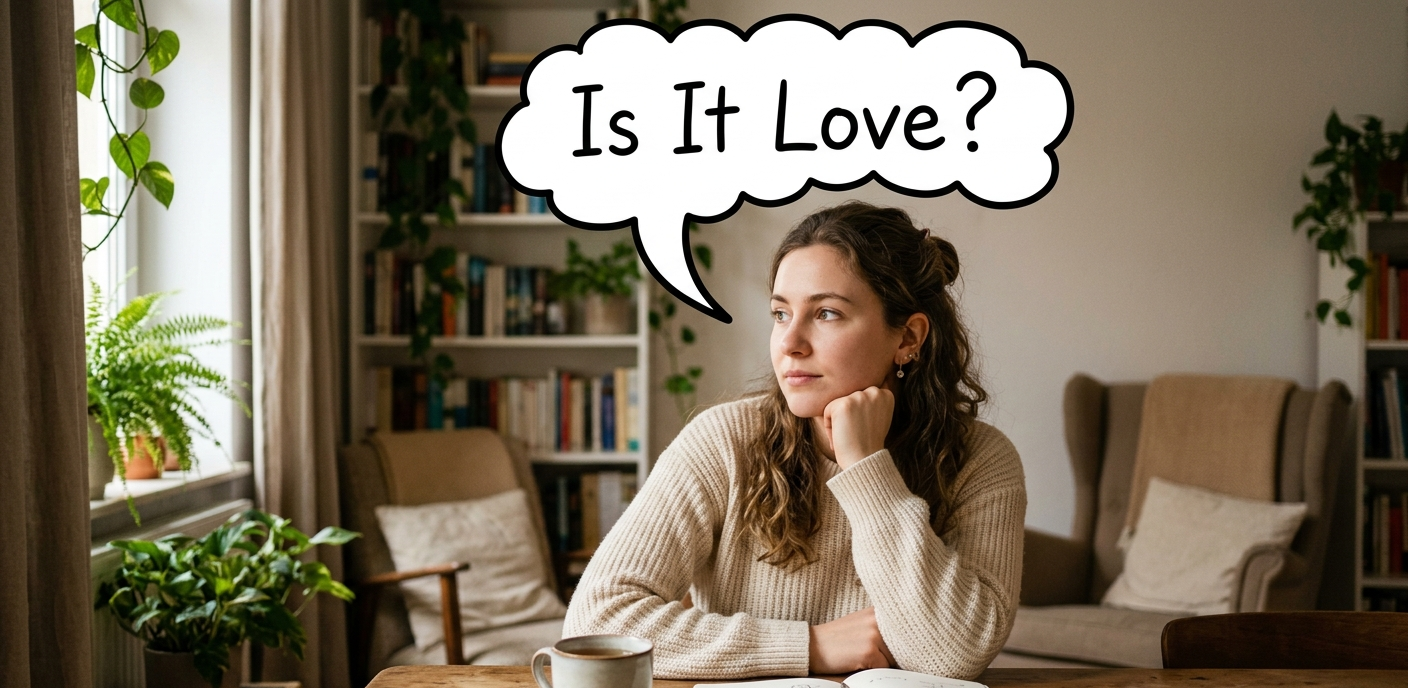

In the early stages of a romance, everything feels electric. The constant texting, the grand gestures, and the soulmate talk can make you feel like you’re finally in a movie. But sometimes, that intense love affair isn’t the start of a fairy tale. Instead, it’s a calculated tactic known as love bombing. Love bombing isn’t just being extra romantic. It’s a recognised form of emotional abuse that can leave you confused, drained, and questioning your own judgment.
Understanding the difference between love bombing vs genuine interest could save you from months (or years) of emotional trauma.
In this guide, we will break down how to tell if you’re being swept off your feet or swept into a cycle of control.
Confused or feeling unsafe? Jump to safety & support resources
What is Love Bombing?
Love bombing is a psychological and emotional manipulation tactic used to overwhelm a person with displays of affection and attention. The goal isn’t connection; it’s control. By skyrocketing your dopamine levels early on, the love bomber creates a dependency that makes it harder for you to leave when their behavior eventually turns cold or abusive.
At first, it feels like a dream. But over time, it often turns into control, pressure, or emotional withdrawal.
Common Signs of Love Bombing
- Moves too fast – One of the earliest red flags is how quickly the relationship escalates. A person engaging in love bombing may start talking about long-term commitments, like moving in together, marriage, or building a future. This may happen within days or just a few weeks of meeting you.
- Constant communication – At first, frequent texts and calls can feel like a sign of strong interest. However, love bombing often involves excessive communication that becomes overwhelming. The person may message you throughout the day, expect immediate replies, and become anxious or upset if you don’t respond quickly.
- Over-the-top gestures – Grand romantic gestures early in a relationship can seem like something out of a movie. This might include expensive gifts, dramatic love confessions, or constant praise that feels almost too perfect. While kindness and generosity are positive traits, love bombing tends to be exaggerated and premature.
- Emotional dependency – A love bomber may subtly (or not so subtly) make you feel responsible for their emotional well-being. They might say things like “I can’t live without you” or “You’re the only person who understands me.” Over time, they may guilt-trip you for wanting time alone or for maintaining other relationships.
- Hot and cold behavior – Perhaps one of the most confusing signs is the shift between intense affection and sudden distance. One moment they are showering you with love, attention, and praise, and the next, they become distant, withdrawn, or even critical. This inconsistency can leave you feeling anxious and constantly trying to “get back” to the good phase.

Love bombing isn’t love. It’s about control disguised as passion. Relationship experts and psychologists widely agree that love bombing is not simply “being overly romantic” it is often linked to manipulation tactics seen in unhealthy or even abusive relationships.
For example, experts like Dr. Ramani Durvasula, a well-known clinical psychologist who specializes in narcissistic behavior, explains that love bombing is commonly used by individuals with narcissistic tendencies to quickly gain trust and emotional access.
What Is Genuine Interest?
Genuine interest, on the other hand, is steady, respectful, and rooted in real connection. It may not feel as intense right away, but it builds a stronger and healthier foundation over time. Unlike love bombing, it doesn’t feel rushed or overwhelming. When someone has genuine interest in you, they respect your boundaries and understand that a healthy relationship takes time to grow. They don’t pressure you into making quick commitments or demand constant attention.
Common Signs of Genuine Interest
- Takes things slow – Someone who is genuinely interested in you understands that meaningful relationships take time to grow. Instead of rushing into big commitments or making bold promises early on, they allow the connection to unfold naturally. They are comfortable getting to know you step by step.
- Respects boundaries – Respect is a core foundation of genuine interest. A person who truly values you will honor your personal space, time, and individuality. Whether it’s your need to spend time alone, focus on work, or maintain friendships, they won’t make you feel guilty for it. Instead, they see your independence as a positive thing.
- Consistent behavior – Consistency is one of the clearest signs that someone’s feelings are genuine. Their actions match their words over time. You won’t find yourself confused about where you stand or constantly trying to decode mixed signals. There are no extreme highs followed by emotional lows.
- Shows curiosity – Genuine interest goes beyond surface-level attraction. The person takes time to understand who you really are, including your thoughts, passions, fears, and goals. They ask meaningful questions and actually listen to your answers.
- Healthy communication – Open, honest, and pressure-free communication is another strong indicator of genuine interest. Instead of overwhelming you with constant messages or emotional intensity, they communicate in a balanced way. Difficult conversations are handled with respect, not manipulation or guilt.

Experts in Psychology often emphasize that healthy relationships are built on three key pillars: consistency, respect, and emotional safety. Unlike love bombing, which creates intensity, genuine interest fosters stability and trust over time.
Relationship researchers like Dr. John Gottman, co-founder of the Gottman Institute, highlight that successful relationships are not defined by grand gestures, but by everyday interactions. Small, consistent acts of care are what truly strengthen a bond.
Love Bombing vs Genuine Interest: Key Differences
Here’s the no-fluff comparison that makes love bombing vs genuine interest crystal clear. Look for patterns, not single incidents.
| Factor | Love Bombing | Genuine Interest |
| Pace | Moves at warp speed; feels too much, too soon. | Moves at a comfortable, natural pace. |
| Boundaries | They get angry or hurt if you spend time with others. | They respect your need for space and separate lives. |
| Communication | Constant, obsessive texting; demands immediate replies. | Consistent check-ins that don’t feel intrusive. |
| Compliments | Grandiose and “soulmate” focused within days. | Specific, grounded, and growing deeper over time. |
| Conflict | Disagreements lead to guilt-tripping or punishment. | Disagreements are handled with calm communication. |
Why Love Bombing Feels So Real
One of the reasons love bombing can be so hard to recognize is because it feels incredibly real in the moment. It taps into deep emotional needs, such as the desire to feel valued, appreciated, and loved. The intensity creates a sense of excitement and urgency, making the relationship feel special or even rare.
You may feel like you’ve found someone who truly understands you, which makes it harder to question their behavior. However, this emotional high is often temporary. As the intensity fades or shifts, it can leave you feeling confused and even questioning your own perceptions. This contrast is what makes love bombing so emotionally impactful and potentially harmful.
How to Protect Yourself
If you’re unsure whether you’re experiencing love bombing or genuine interest, here are some practical tips:
1. Slow Things Down – Don’t rush into emotional or physical commitment. Healthy relationships can wait.
2. Set Boundaries Early – Pay attention to how the person reacts when you say “no” or ask for space.
3. Watch for Consistency – Anyone can be amazing for a week. Real character shows over time.
4. Trust Your Gut – If something feels off, even if everything seems perfect, listen to that feeling.
5. Talk to Someone You Trust – An outside perspective can help you see what you might be missing.
Final Comments
Understanding love bombing vs genuine interest isn’t just about avoiding toxic relationships. It’s also about recognising what real love actually looks like. If you’re still unsure, trust this: Love bombing feels like a firework show – loud, bright, over fast. In contrast, genuine interest feels like a sunrise – slow, warm, reliable.
Ultimately, trusting your gut is your best defense. If it feels too good to be true, it might be. Save this article. Re-read it when your heart is racing from a new person. And never apologize for taking things slowly.
Frequently Asked Questions
No. While it’s a common hope, love bombing is fundamentally a tactic of control, not a foundation for affection. Real love requires honesty, vulnerability, and respect for boundaries, all of which are absent in a love-bombing scenario. Because the “bomber” is often performing a role to secure a specific outcome (loyalty or power), the affection usually disappears the moment they feel they have won you over. For a relationship to become healthy, the love-bombing behavior must stop entirely and be replaced by professional intervention and a radical shift in communication.
The duration varies, but it usually lasts until the “honeymoon” phase would naturally end or until the victim sets a firm boundary. This can range from a few weeks to several months. Once the love bomber feels secure in the relationship, they often transition into the “devaluation” phase.
Not always. Some individuals with certain personality disorders or insecure attachment styles may love bomb without a conscious “evil plan.” However, regardless of the intent, the effect remains the same: it creates an unhealthy, unbalanced power dynamic that is unsustainable for a long-term, healthy partnership.
While it feels like a whirlwind romance, love bombing is usually more about the “bomber” than it is about you. People with narcissistic traits often do this to “hook” you quickly. They put you on a pedestal to get your total devotion. Sadly, once they feel they’ve won you over, the thrill of the chase ends and they often turn cold.
In other cases, it’s driven by a deep fear of being left alone. People with insecure attachment styles might shower you with affection because they are desperate to make the relationship “stick” right away. Finally, it can be a way to gain the upper hand. By being “too good to be true” at the start, they build up a bank of favors that makes you feel guilty or confused if you try to set boundaries later on when their behavior changes.
Confused or feeling unsafe? Click here for support resources.
If you feel that a relationship is becoming controlling, manipulative, or unsafe, please reach out to professional support services. These resources are free, confidential, and available 24/7.
International Resources
- The National Domestic Violence Hotline (USA/Canada): Call 800-799-SAFE (7233) or text “START” to 88788.
- National Domestic Abuse Helpline (UK): Call 0808 2000 247.
- 1800RESPECT (Australia): Call 1800 737 732.
- Crisis Text Line: Text HOME to 741741 (USA/Canada), 85258 (UK), or 50808 (Ireland).
Africa & Regional Support
- Gender-Based Violence Command Centre (South Africa): Call 0800 428 428.
- National Helpline (Kenya): Call 1195 for 24-hour support regarding gender-based violence.
Find a Professional
Befrienders Worldwide: Visit befrienders.org to find support centers in your specific country.
Psychology Today Directory: A global tool to find therapists specializing in narcissistic abuse and trauma recovery.
Author’s Note: If you are concerned about your browser history being tracked, please use a private/incognito window or use a safe computer.








Very interesting and true 👍