

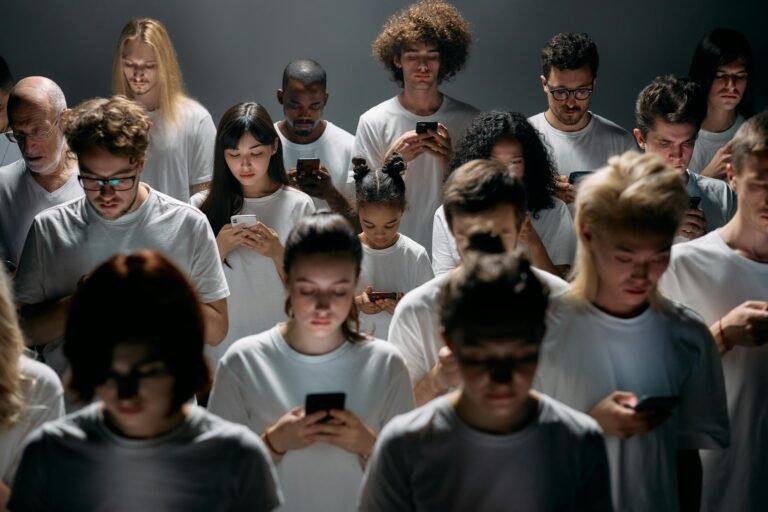
In today’s hyper-connected world, we are constantly bombarded with information from countless sources. These include social media, news outlets, streaming platforms, and now, increasingly, AI-generated content. While media consumption is an integral part of modern life, an unbalanced intake can negatively impact mental health, contributing to stress, anxiety, and even depression.
Recently, the concept of a “media diet” has emerged as a powerful tool for improving psychological well-being.
Much like a food diet, a media diet is about mindful consumption. This includes what we read, watch, listen to, and scroll through daily.
In this article, we will explore the concept of a media diet, its benefits for mental well-being, and practical strategies for implementing a healthier media consumption routine. Let’s begin.
What Is a Media Diet?

At its core, a media diet refers to the conscious choices we make about the digital content we consume. Like a food diet, it involves choosing what to “ingest” to nourish the mind while avoiding or limiting content that may be harmful. It’s about recognising that every piece of information, every image, every video we consume shapes our thoughts, beliefs, and perceptions, much like food shapes our physical health.
The components of a media diet are diverse. They include everything from news sources and entertainment media to social media platforms and educational content. The goal is not necessarily to eliminate media but to balance these elements, prioritising quality and intentionality over passive, indiscriminate scrolling. In essence, it’s a way to regain control over your attention, emotions, and time in a world where algorithms and AI increasingly determine what you see and when you see it.
How to Create a Healthy Media Diet
Creating a media diet isn’t about cutting yourself off from the digital world. It’s about finding a sustainable balance that nourishes your mind rather than depletes it. It’s about making intentional choices. Here’s how to get started:
Step 1: Auditing Your Current Media Consumption
The first step is awareness. Take stock of the accounts, pages, or outlets you follow. Start by tracking how much time you spend on various platforms and what types of content you engage with. Ask yourself:
- Does this account make me feel better or worse?
- Is this content adding value to my day?
- Is this source credible and balanced?
This self-awareness is crucial for making informed choices. Unfollow or mute accounts that spark negativity, envy, or stress, even if they’re popular.
Step 2: Setting Clear Boundaries
Establish limits on when, where, and how much media you consume. This might involve:
- Time Limits – Utilise smartphone features or apps to set daily time limits for specific social media or news apps.
- Digital Detoxes – Schedule regular short breaks from all digital media. This can be an hour before bed, a full day on weekends, or even longer periods.
- Tech-Free Zones – Designate specific areas or times as tech-free, such as mealtimes, bedrooms, or during family gatherings.
These boundaries and limits allow your brain to rest, reset, and reconnect with the physical world.
Step 3: Diversifying Your Information Sources
AI algorithms love to trap you in filter bubbles. Seek out reputable news organisations, engage with long-form journalism, listen to informative podcasts, and read books. Mix left and right-leaning news outlets. Follow creators from different backgrounds. Additionally, subscribe to credible experts, not just influencers. This diversification can provide a more well-rounded and nuanced understanding of the world. It prevents cognitive bias and helps you think more critically.
Step 4: Prioritising Quality Over Quantity
Instead of aimlessly scrolling, seek out content that is genuinely informative, thought-provoking, or uplifting. Choose documentaries over reality TV if you’re seeking knowledge, or connect with friends on a deeper level rather than just passively observing their highlight reels.
Step 5: Engaging Actively, Not Passively
When consuming media, try to engage with it mindfully. If watching a documentary, think critically about the information presented. If on social media, engage in meaningful conversations rather than just scrolling and comparing.
Step 6: Seeking Offline Connections
Balance your digital interactions with real-world connections. Prioritise spending time with loved ones, engaging in hobbies, spending time in nature, or participating in community activities. These in-person experiences are vital for mental well-being and can reduce reliance on digital validation.

The Psychological Benefits of a Clean Media Diet
A well-structured media diet offers numerous mental health benefits. It helps individuals reclaim control over their attention and emotional well-being. Here are some key advantages:
- Reduced Stress and Anxiety – By limiting exposure to negative or sensationalised content, a media diet can lower stress levels. For instance, avoiding constant news updates about global crises can prevent feelings of helplessness and allow the mind to focus on more immediate, actionable concerns.
- Improved Focus and Productivity – Cutting back on mindless scrolling or multitasking across multiple screens frees up cognitive resources. A 2022 study found that reducing social media use by just 30 minutes a day improved focus and reduced symptoms of anxiety and depression.
- Enhanced Emotional Resilience – Consuming uplifting, educational, or inspiring content can foster positive emotions and build resilience. For example, engaging with stories of human triumph or mindfulness-focused podcasts can counteract the negativity bias often amplified by media.
- Better Sleep Quality – Limiting screen time, especially before bed, supports healthier sleep patterns. Blue light from screens suppresses melatonin production, disrupting the body’s natural sleep-wake cycle. A media diet that includes a “digital curfew” can improve rest and mental clarity.
- Greater Self-Awareness – A media diet encourages reflection on how different types of content affect mood and behaviour. By noticing patterns, individuals can make more informed choices about what to consume.
- Counteracting AI’s Negative Effects – A media diet helps consumers prioritise high-quality, human-crafted content over AI-generated material that may lack depth or authenticity. It also encourages critical evaluation of sources, reducing the risk of falling for misinformation.
Challenges in Maintaining a Media Diet
Sticking to a media diet can be challenging, especially in a world designed to capture attention. Common obstacles include:
- FOMO (Fear of Missing Out) – The worry that you’ll miss important news or trends can make it hard to disconnect. Combat this by reminding yourself that quality matters more than quantity.
- Habitual Behaviour – Breaking the habit of mindless scrolling requires conscious effort. Replace media consumption with alternative activities, like reading a book or calling a friend.
- Algorithmic Pull – AI-driven algorithms are designed to keep you engaged. Use tools like ad blockers or privacy-focused browsers to reduce algorithmic influence.
- Social Pressure – Friends or colleagues may expect you to stay updated on the latest trends or news. Communicate your boundaries and explain that you’re prioritising mental health.
Life Without a Media Diet: The Double-Edged Sword

Media consumption has a profound effect on mental health, both positive and negative.
On one hand, media can educate, inspire, and connect us with others. Documentaries, podcasts, and well-crafted stories can broaden perspectives and provide emotional catharsis. On the other hand, excessive or poorly curated media consumption can contribute to a range of mental health challenges:
Information Overload and Anxiety
We live in a 24/7 news cycle, constantly bombarded with updates, often of a distressing nature. According to some studies, the average person consumes over 34 GB of content daily. This perpetual exposure to crises, conflicts, and negative headlines, a phenomenon often termed “doomscrolling,” can keep our nervous systems in a heightened state of alert. Chronic exposure to stressful information, even when it doesn’t directly impact us, increases anxiety, stress, and can even contribute to symptoms of depression. The sheer volume and rapid pace of information can overwhelm our ability to process and digest it healthily.
Social Comparison and Low Self-Esteem
Social media, in particular, often presents a curated “highlight reel” of others’ lives. This includes perfect vacations, successful careers, idealised relationships, and flawless appearances. This constant exposure to seemingly perfect realities can trigger intense social comparison, leading to feelings of inadequacy, jealousy, and low self-esteem. Filters and editing tools further distort reality, fostering unrealistic expectations about physical appearance and lifestyle, especially among young people.
Exposure to Negative Content
Beyond general news, digital platforms can expose individuals to graphic violence, trauma, hate speech, and sensationalised content. Repeated exposure to such material can desensitise individuals and increase feelings of fear and hopelessness. In some cases, it could even lead to PTSD-like symptoms.
Sleep Disruption
The blue light emitted from screens interferes with the body’s production of melatonin, a hormone crucial for sleep. Late-night media consumption, especially engaging with emotionally activating content, can disrupt sleep patterns, leading to fatigue, irritability, and impaired cognitive function.
Addiction and FOMO (Fear of Missing Out)
Social media platforms are designed to be addictive. They are deliberately constructed to activate the brain’s reward centre by releasing dopamine with every notification and interaction. This can lead to compulsive checking, an inability to disengage, and the pervasive fear of missing out on social events or important updates. This can further fuel anxiety and dissatisfaction.
Misinformation and Disinformation
The rapid spread of false or misleading information online erodes trust in institutions and can create a distorted worldview. Consuming misinformation can lead to heightened anxiety, confusion, and a sense of powerlessness, particularly when it relates to critical public health issues or political events.

Signs You Need a Media Diet
Not everyone is aware they’re overconsuming or engaging in unhealthy media habits. Here are some red flags:
- Feeling anxious, angry, or sad after consuming the news or scrolling through social media.
- Spending more time consuming media than you intend.
- Difficulty concentrating on tasks or reading longer-form content.
- Compulsively checking your phone for updates.
- Trouble sleeping due to late-night media consumption.
- Feeling mentally drained without having done anything physically tiring.
If any of these symptoms sound familiar, a media diet could help rebalance your emotional and cognitive health.
Conclusion: Empowering Yourself Through Intentional Media Choices
In a world saturated with media, cultivating a healthy media diet is no longer a luxury but a necessity to improve mental health.
By consciously choosing what we consume, setting boundaries, and developing critical literacy skills, we can transform our relationship with media from a passive recipient to an active consumer.
The rise of AI-generated content adds a new dimension to this challenge. This demands an even greater level of discernment and proactiveness. Taking control of your media diet isn’t about empowerment. You don’t have to disconnect entirely. All you have to do is choose what nourishes your mind, and let go of what drains it. Your mental health will thank you.







[…] anxiety has been affecting you lately, you may also want to read How a Media Diet Can Help Improve Your Mental Health and 5 Quick Grounding Techniques for Anxiety That Actually […]