

Have you ever looked at your dating history and felt a strange sense of déjà vu? Perhaps the faces change, but the patterns remain the same. They may include the emotionally unavailable artist, the partner who needs “fixing,” or the one who showers you with affection only to disappear weeks later. If you find yourself asking, “Why do I keep attracting the wrong partners?” you aren’t alone.
The truth is, the people you attract, and feel drawn to, are influenced by your emotional patterns, past experiences, and attachment style. Once you understand these, you can finally break the cycle.

Why Do I Keep Attracting the Wrong Partners?
If you keep attracting the wrong partners, it’s rarely because you’re unlucky. It’s usually because of unconscious patterns playing out in your relationships. Psychologists refer to this as attachment dynamics. They define the way we connect, trust, and respond to intimacy. These patterns often develop early in life and continue into adulthood. Let’s break down the most common reasons.
Decoding the Pattern: Why We Choose the Partners We Do
1. You’re Repeating Familiar Emotional Patterns
One of the biggest reasons you keep attracting the wrong partners is familiarity. Psychologists often point to Self-Verification Theory to explain our dating choices. This theory suggests that humans would rather choose a familiar hell than an unfamiliar heaven. We subconsciously gravitate toward people who reinforce our existing beliefs about ourselves.
Even if a relationship is unhealthy, it can feel normal if it mirrors what you experienced growing up or in past relationships. A major emerging trend in relationship psychology is the concept of Echo-Dating. This is the habit of dating people who echo the emotional chaos of our past. According to this theory, our early experiences shape how we view love, trust, and emotional safety. So if love once felt inconsistent, conditional, or emotionally distant, you may unconsciously gravitate toward partners who recreate that same dynamic.
2. You’re Caught in the Anxious-Avoidant Cycle
Another powerful explanation is the anxious–avoidant dynamic. This is one of the most common (and frustrating) patterns in modern dating. Anxious partners crave closeness, reassurance, and consistency. On the other hand, avoidant partners value independence and pull away when things get too close. If you tend to have anxious tendencies, you may crave reassurance, closeness, and emotional consistency. However, you may also find yourself drawn to partners who are avoidant.
This creates a cycle where the more you seek connection, the more they withdraw, and the more they withdraw, the more you pursue. This push-pull dynamic can feel like intense chemistry, but in reality, it often leads to emotional exhaustion rather than a stable, secure relationship.
3. You mistake intensity for genuine connection
Many people confuse emotional intensity with real compatibility, which can lead them to repeatedly choose the wrong partners. When a connection feels exciting, unpredictable, or overwhelming, it can trigger strong emotional responses that feel like a deep bond. For example, love bombing at the beginning or inconsistent communication can create highs and lows that keep you emotionally invested.
Experts point out that this kind of intensity is often driven by uncertainty rather than true intimacy. Healthy relationships, on the other hand, tend to feel steady, safe, and consistent. These are qualities that may seem less exciting at first but are essential for long-term connection.
If you’re worried your new spark is moving too fast, learn the difference in our guide: Love Bombing vs. Genuine Interest: 5 Subtle Signs You Need to Know.
4. You Ignore Red Flags Early On
Another reason you may keep attracting the wrong partners is a tendency to overlook or rationalize red flags in the early stages of dating. You might notice signs like inconsistency, lack of effort, poor communication, or emotional unavailability, but choose to give the benefit of the doubt.
This often comes from a place of hope or empathy. You want to believe the person will change or that things will improve with time. However, relationship experts consistently emphasize that early behavior is one of the strongest indicators of future patterns. Ignoring these warning signs can keep you stuck in cycles that lead to the same disappointing outcomes.
Don’t let your empathy blind you. Read our updated checklist: 23 Red Flags in Men You Should Never Ignore (2026 Guide).
5. You’re Trying to Earn Love
If you find yourself overextending emotionally, constantly giving, or trying to prove your worth, it may point to a deeper belief that love must be earned. This mindset often develops from past experiences where affection or validation was inconsistent. As a result, you may be drawn to partners who require you to chase, impress, or win them over.
While this dynamic can feel motivating at first, it often leads to imbalance and emotional burnout. Experts in relationship psychology note that healthy love is not something you have to earn through effort alone. It’s something that is freely given and reciprocated.
6. You’re Attracted to Potential, Not Reality
Another subtle but important reason is the tendency to fall in love with potential rather than reality. You may see qualities in someone that suggest who they could become and hold onto that vision, even when their current actions don’t align with it. This can keep you emotionally invested in relationships that lack consistency or growth.
While it’s natural to hope for the best in people, experts emphasize that lasting relationships are built on present behavior, not future possibilities. When you prioritize potential over reality, you risk staying in situations that don’t truly meet your needs.
7. You Haven’t Fully Healed From Past Experiences
Finally, unhealed emotional wounds can strongly influence the type of partners you attract. Experiences such as rejection, abandonment, or emotional neglect can shape your beliefs about love and your expectations in relationships. These wounds often operate beneath the surface, guiding your choices in ways you may not consciously recognize.
According to psychological research, unresolved patterns tend to repeat until they are acknowledged and addressed. This means that without healing, you may continue to find yourself in similar situations with different people, wondering why the outcome never seems to change.
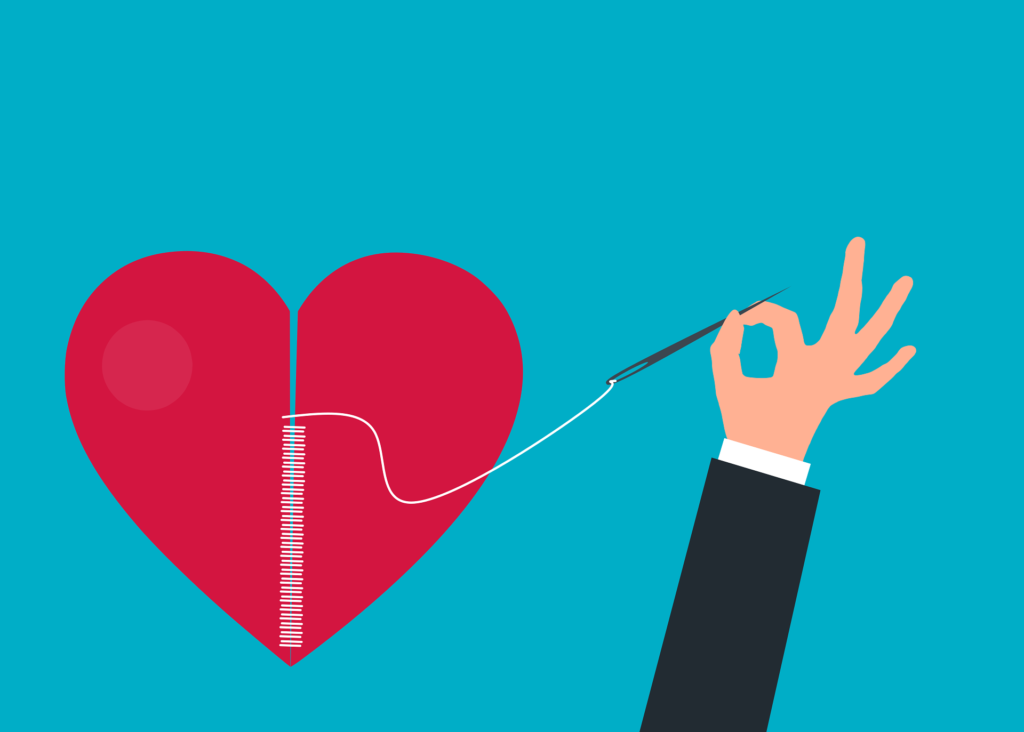
How to Break the Cycle of Attracting the Wrong Partners
The good news is that if you’ve been asking yourself, “why do I keep attracting the wrong partners?” these patterns are not permanent. Relationship experts consistently emphasize that with awareness and intentional change, it’s possible to move toward healthier, more secure connections. Here’s how to start breaking the cycle:
1. Identify Your Pattern
The first step is becoming aware of your relationship patterns. Take a step back and look at your past relationships objectively. What similarities do you notice? You might realize that you tend to be drawn to emotionally unavailable partners, or that your relationships often involve inconsistency and mixed signals.
Psychologists explain that identifying these recurring themes helps bring unconscious behaviors into conscious awareness, which is essential for change. Without this clarity, it’s easy to repeat the same cycle with different people while expecting a different outcome.
2. Redefine What Attraction Means
Many people unknowingly associate attraction with intensity rather than compatibility. If you’re used to emotional highs and lows, a calm and steady connection may initially feel unfamiliar or even boring. However, experts point out that healthy attraction is built on emotional safety, trust, and consistency. Not unpredictability.
Learning to recognize the difference between anxiety-driven excitement and genuine connection can help you make better relationship choices. Over time, your definition of what feels “right” begins to shift toward what is actually healthy.
3. Choose Stability Over Intensity
Breaking the cycle often requires making different choices, even when they don’t feel as exciting at first. Instead of chasing the spark or the thrill of uncertainty, focus on how someone consistently shows up for you. Do they communicate clearly? Are they reliable? Do they make you feel secure?
Relationship experts emphasize that long-term compatibility is rooted in stability and mutual effort, not emotional rollercoasters. Choosing stability may feel unfamiliar initially, but it creates the foundation for a more fulfilling and lasting relationship.
4. Set and Maintain Boundaries
Healthy boundaries play a crucial role in changing your relationship patterns. Boundaries help you define what you will and won’t accept, allowing you to filter out partners who do not meet your emotional needs. This might involve walking away from inconsistent behavior, refusing to tolerate poor communication, or clearly expressing your expectations early on.
Experts note that boundaries are not about controlling others. They are about protecting your own well-being. When you consistently uphold them, you naturally attract partners who respect and value you.
Applying strategies from How to Handle Difficult Conversations in Relationships can help you express your needs confidently without fear of conflict.
5. Work Toward Secure Attachment
Ultimately, breaking the cycle means moving toward a more secure way of relating to others. Secure attachment is characterized by emotional availability, trust, and a balanced approach to closeness and independence.
Research in relationship psychology shows that people can develop more secure attachment patterns over time through self-awareness, healthier relationship experiences, and sometimes professional support. As you begin to choose partners who are consistent and emotionally present, and as you show up in the same way, you create a new pattern that supports stable, meaningful connections.

If you often feel overwhelmed or anxious in relationships, practicing techniques like those shared in 5 Quick Grounding Techniques for Anxiety That Actually Work can help you stay centered instead of reacting impulsively.
Closing Remarks
The patterns you experience in relationships are not random. They are shaped by your past, your emotional responses, and the beliefs you carry about love and connection. Once you begin to understand these influences, you move from simply reacting to relationships to actively choosing them. That shift alone can change the direction of your dating life in a powerful way.
Growth in this area takes time and consistency. It involves being honest with yourself, making different choices even when they feel unfamiliar, and letting go of dynamics that no longer serve you. As you become more aware of your needs and more intentional about your boundaries, you naturally begin to create space for healthier, more balanced connections.
In the end, the goal is not perfection, but alignment. When you choose relationships that feel stable, respectful, and emotionally safe, you set a new standard for what you accept and what you give. And from that place, meaningful and lasting connections become far more possible.
Ready for something different? Discover Why Kindness Is the Most Important Quality in a Life Partner.








Relatable
Thanks for reading! It’s always nice to know we’re not alone in thinking/feeling this way.