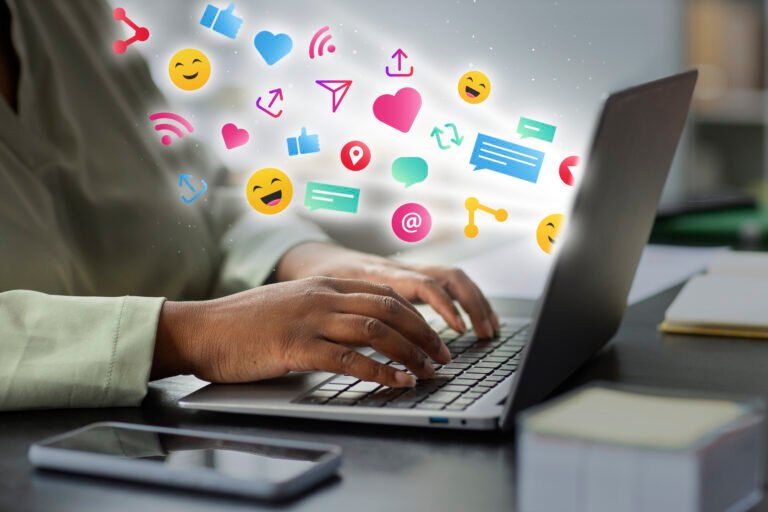
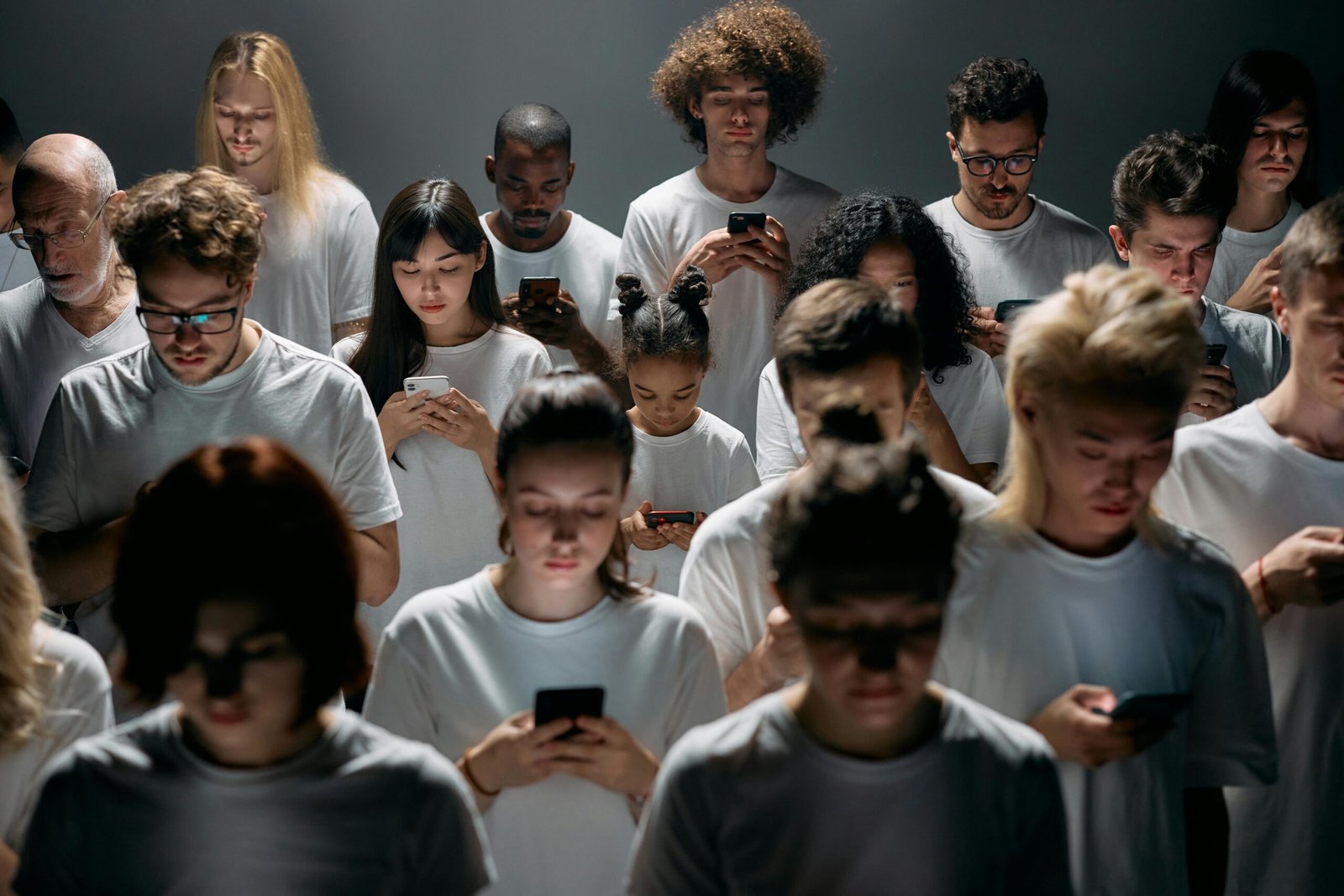

We have all been there. You pick up your phone to quickly check a calendar invite or respond to a work message. Next thing you know, you’ve been awake for two hours, yet the only thing you’ve accomplished is scrolling through notifications, liking a few posts, and watching three short videos that made you laugh for five seconds.
Now you try to focus on something important. Work feels exhausting. Reading a book feels slow. Conversations lose your attention halfway through. Even resting feels impossible unless your brain is constantly stimulated. If this sounds familiar, you are not alone. You may be stuck in the dopamine trap.
In 2026, many people feel mentally scattered, emotionally restless, and unable to focus for long periods of time. And while stress, anxiety, and burnout all play a role, there is another issue quietly affecting millions of people every day. Modern technology is designed to keep your brain constantly chasing stimulation. Over time, this can make ordinary life feel boring, reduce your ability to focus deeply, and leave you feeling mentally exhausted even when you have done very little.
The good news is that your attention span is not permanently broken. Your brain can recover. But first, you need to understand what is happening to it.
What Is the Dopamine Trap?
Dopamine is often called the “feel-good” chemical, but that description is incomplete. Dopamine is more connected to motivation, anticipation, reward-seeking, and craving than simple pleasure. It is the chemical that pushes you to chase what might feel rewarding.
That is why social media platforms are so addictive. Every swipe, notification, message, or video creates the possibility of something new and exciting. Your brain begins anticipating the next reward before it even arrives. The problem is not dopamine itself. Dopamine is necessary for motivation, learning, creativity, and achievement. The problem is constant overstimulation.
Today’s digital world floods your brain with fast and endless stimulation. These can include but are not limited to:
- Short-form videos
- Infinite scrolling
- Notifications
- Online arguments
- Streaming platforms
- Gaming
- Clickbait headlines
- Viral content
- Constant multitasking
Your brain adapts to this high level of stimulation. As a result, slower activities begin to feel unrewarding. Reading a book suddenly feels difficult. Quiet moments feel uncomfortable. Deep conversations require more effort. Even basic tasks become mentally draining because your brain has become conditioned to expect constant novelty.
This is the dopamine trap. The more stimulation you consume, the harder it becomes to enjoy normal life.
Why the Dopamine Trap Is Affecting So Many People in 2026
Human brains were never designed for infinite novelty. For most of history, moments of excitement were limited and occasional. Today, your brain can access endless entertainment, validation, outrage, comparison, and stimulation within seconds.
Social media platforms are especially powerful because they combine unpredictability with emotional stimulation. You never know what the next swipe will bring. It might be:
- something funny
- shocking news
- attractive people
- emotional stories
- drama
- inspiration
- conflict
- Validation
That unpredictability keeps the brain hooked. Over time, this constant stimulation weakens your ability to tolerate slower forms of reward. This is why many people now struggle with deep work, emotional presence, patience, consistent motivation, and meaningful rest. People are becoming mentally overstimulated but emotionally undernourished.
The effects go beyond productivity and focus. Mental overstimulation can seriously impact emotional well-being. When your brain is constantly overstimulated, it rarely gets a chance to fully rest. Many people begin living in a constant state of mental alertness. This can increase feelings of anxiety, restlessness, and emotional overwhelm.
If anxiety has been affecting you lately, you may also want to read How a Media Diet Can Help Improve Your Mental Health and 5 Quick Grounding Techniques for Anxiety That Actually Work.
One of the other strange effects of excessive stimulation is emotional dullness. You consume so much content, emotion, information, and noise that your nervous system becomes overwhelmed. Eventually, even meaningful experiences start feeling less emotionally impactful.
Signs You May Be Stuck in the Dopamine Trap
Many people do not realize how deeply overstimulation is affecting them because it has become normal. Here are some common signs:
- You Cannot Focus on One Task for Long – You constantly switch between tabs, apps, videos, and conversations. Even while watching something, you may find yourself checking your phone at the same time. Your brain struggles to stay with one thing.
- Silence Feels Uncomfortable – Moments of stillness feel strange. You immediately reach for music, videos, podcasts, or your phone to avoid quiet.
- Reading Feels Harder Than It Used To – Books, long articles, or deep conversations require more mental energy than they once did. Your brain has become used to fast-paced stimulation.
- You Constantly Crave Stimulation – You feel restless when nothing exciting is happening. Boredom feels unbearable.
- You Procrastinate More Often – Tasks that require patience or sustained effort feel emotionally heavy. You keep delaying them while searching for quick dopamine hits online.
- Your Motivation Disappears Quickly – You start things enthusiastically but struggle to maintain focus once the initial excitement fades.
- Real Life Feels “Less Interesting” – One of the hidden effects of overstimulation is that ordinary life starts feeling emotionally flat compared to the intense stimulation of the internet. This can affect relationships, hobbies, goals, and even your sense of purpose.

How to Escape the Dopamine Trap
You do not need to quit technology completely or disappear from society. The goal is not perfection. The goal is to rebuild balance and retrain your brain to enjoy slower, healthier forms of reward again. Here are a few tips:
Stop Starting Your Day With Your Phone
Many people begin their mornings by immediately flooding their brains with stimulation. This trains your mind to seek instant dopamine from the moment you wake up. Instead:
- avoid your phone for the first 30 minutes
- pray
- stretch
- journal
- walk
- sit quietly
- read something calming
Protecting your mornings can dramatically improve mental clarity.
Reduce Short-Form Content
Short-form videos condition the brain to expect constant novelty every few seconds. You do not necessarily have to delete every app, but reducing your consumption can help restore focus over time. Try:
- setting app limits
- removing autoplay
- unfollowing overstimulating accounts
- taking one screen-free day weekly
Practice “Boredom Training”
Modern people avoid boredom at all costs. But boredom is actually important for creativity, emotional regulation, and deep thinking. Practice doing simple things without stimulation:
- walking without headphones
- sitting quietly
- eating without scrolling
- waiting in silence
- driving without constant entertainment
At first, this may feel uncomfortable. That discomfort is part of the reset process.
Rebuild Your Attention Span Slowly
Your brain needs training again. Start with small periods of focused attention:
- read for 10 minutes
- work without checking notifications
- watch one full video without multitasking
- finish one task before starting another
Deep focus is like a muscle. It strengthens with practice.
Protect Your Sleep
Poor sleep increases impulsive behavior and dopamine-seeking tendencies. Late-night scrolling especially damages both focus and emotional regulation. Try:
- avoiding screens before bed
- sleeping consistently
- charging your phone away from your bed
- reducing nighttime stimulation

Reconnect With Real Life
One reason digital stimulation becomes addictive is because many people are emotionally disconnected from their real lives. Focus on:
- exercise
- meaningful friendships
- nature
- hobbies
- spiritual growth
- face-to-face conversations
- creativity
Real fulfillment usually grows slowly. But it lasts longer than instant dopamine hits.
Learn the Difference Between Pleasure and Peace
Not everything that stimulates you truly fulfills you. That is one reason why Purposeful Pleasure Is the New Dating Standard in 2026 is such an important conversation. Many people chase stimulation while quietly starving emotionally. Peace often feels slower than dopamine. But peace is what actually restores the mind.
You Do Not Need to Become Perfect
Many conversations about dopamine become extreme. Some people act as though you must completely abandon technology, social media, entertainment, or modern life. That is not realistic for most people. Technology itself is not evil. The issue is compulsive overstimulation and unconscious consumption.
The goal is intentional living. You should be able to use technology without constantly feeling controlled by it.
Final Thoughts
Your attention is one of the most valuable things you own. In 2026, countless companies are competing for it every second of the day. The longer your attention stays fragmented, distracted, and overstimulated, the harder it becomes to think deeply, feel fully, love intentionally, and live peacefully.
But your brain is adaptable. You can rebuild your focus and retrain your mind to enjoy stillness again. You can learn to be emotionally present again. And perhaps most importantly, you can stop living in constant reaction mode and start becoming intentional about what truly deserves your attention. Because in a world designed to distract you endlessly, protecting your focus may also protect your peace.