


In recent years, many people have started asking a difficult question: Is modern love becoming purely transactional? Spend a few minutes scrolling through social media, and you’ll find endless discussions about what people bring to the table. Conversations about income, status, physical appearance, emotional availability, lifestyle, and future potential often dominate modern dating advice.
Some argue that relationships have always involved an exchange of value. Others believe genuine connection is disappearing and being replaced by calculations about what each person can offer. So, is modern love really becoming transactional, or are we simply more honest about our expectations than previous generations were? The answer is more nuanced than many people think.

What Does “Transactional Love” Actually Mean?
A transactional relationship is one where affection, commitment, and attention are largely based on what each person receives in return. The mindset often sounds like this:
- What can this person do for me?
- Do they improve my lifestyle?
- Are they worth my time and investment?
- Am I getting enough back from this relationship?
In highly transactional relationships, people may view their partner almost like a business arrangement. If the perceived benefits disappear, so does the commitment.
This doesn’t necessarily mean the relationship is unhealthy. Every relationship involves some degree of exchange. The problem arises when emotional connection becomes secondary to personal gain.
The Reality: Love Has Always Involved Exchange
Many people romanticize relationships from previous generations, but love has rarely been completely unconditional. Historically, people considered factors such as:
- Financial security
- Social status
- Family approval
- Physical attraction
- Shared values
- Long-term stability
Marriage itself often had strong economic and practical foundations. What’s different today is that these considerations are discussed more openly. Dating apps, social media, and modern relationship advice have made people increasingly aware of their preferences and standards. The exchange aspect of relationships isn’t new. The visibility of it is.
Why Modern Dating Feels More Transactional
1. Dating Apps Encourage Quick Evaluation
Dating apps require people to make decisions within seconds. Users often evaluate potential partners based on:
- Appearance
- Career
- Lifestyle
- Education
- Social status
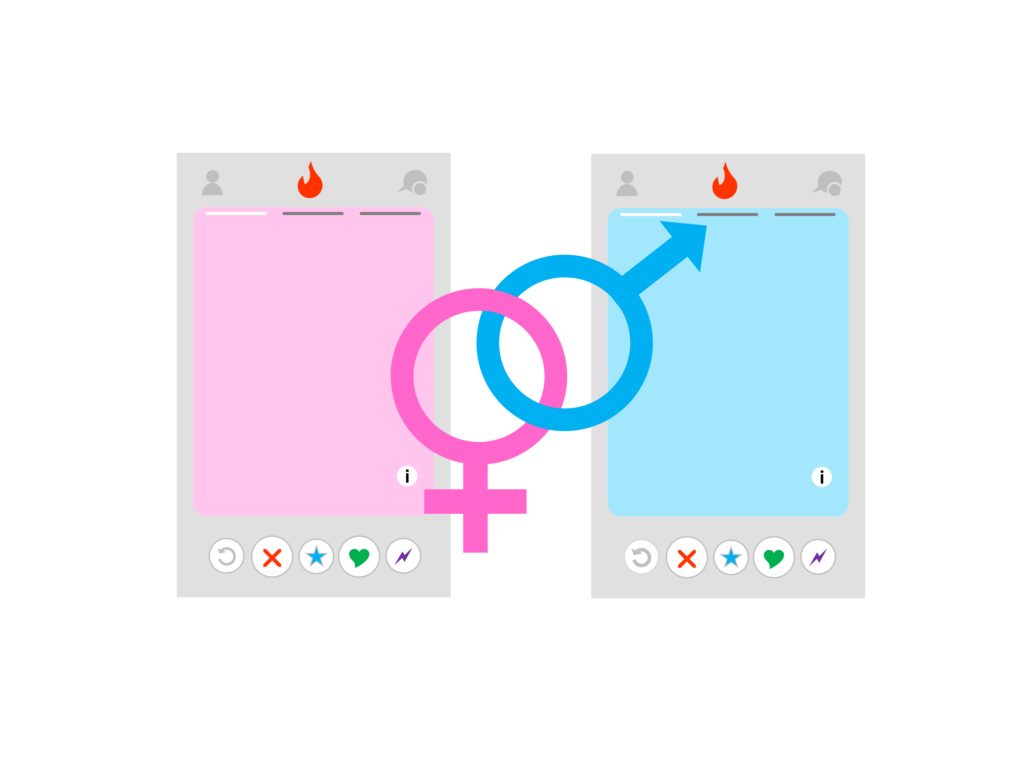
This creates a marketplace mentality where people are constantly comparing options. While apps can help people find meaningful relationships, they can also encourage the belief that there’s always someone better (with better perceived value) one swipe away.
2. People Have Higher Standards
Modern individuals often seek partners who can meet emotional, intellectual, financial, and lifestyle expectations simultaneously. Many people want a partner who is:
- Emotionally mature
- Financially responsible
- Physically attractive
- Ambitious
- Supportive
- Independent
While having standards is healthy, unrealistic expectations can make relationships feel more like performance evaluations than emotional connections.
3. Social Media Creates Constant Comparison
Social media exposes people to curated versions of other relationships. What people see is merely a handful of carefully selected attributes. As a result, many individuals unconsciously compare their partners against unrealistic standards. This can lead to thoughts such as:
- My partner should be more romantic.
- My relationship should look like theirs.
- I deserve better.
Comparison often shifts attention away from genuine connection and toward perceived value.
4. Economic Pressures Are Real
Whether we ant to acknowledge it or not, financial stress affects relationships significantly. Rising housing costs, economic uncertainty, and career pressures mean that practical considerations often play a larger role in partner selection than they did in the past.
Many people are not looking solely for romance. They’re also looking for stability. That doesn’t necessarily make love transactional. It makes people realistic about the challenges of modern life. That said, relationships can become too transactional.
Signs a Relationship Has Become Too Transactional
While all healthy relationships involve mutual exchange, certain signs suggest the balance has shifted too far.
Affection Is Conditional – Love, attention, or kindness only appear when someone gets what they want.
Scorekeeping Is Constant – Every favor, gift, or sacrifice becomes part of an invisible ledger. Partners frequently think, “I did this for you.””You owe me.””I’ve done more than you have.”
Personal Gain Comes First – Decisions are based primarily on individual benefit rather than what’s best for the relationship.
Emotional Intimacy Is Missing – Conversations focus on responsibilities and expectations while emotional vulnerability disappears. This often creates emotional distance and resentment over time.
What Genuine Love Looks Like
Genuine love isn’t the absence of needs or expectations. Healthy relationships still involve reciprocity. The difference is that love becomes the foundation rather than the reward. Healthy partners:
- Support each other’s growth
- Communicate honestly
- Show empathy during difficult times
- Remain committed during temporary imbalances
- Value each other beyond practical benefits
This aligns closely with the qualities discussed in Why Kindness Is the Most Important Quality in a Life Partner, where compassion becomes more important than keeping score.

The Role of Attachment Styles
Sometimes what appears transactional is actually driven by attachment patterns. People with avoidant attachment styles may struggle with vulnerability and prioritize independence over connection. People with anxious attachment styles may seek reassurance through constant validation or proof of commitment.
Understanding your attachment style can help explain why certain relationship dynamics repeat themselves. If you haven’t explored this topic yet, understanding your patterns is one of the most powerful ways to build healthier relationships.
Are We Becoming More Selfish?
Some experts argue that modern dating has become increasingly individualistic. People are encouraged to prioritize:
- Self-growth
- Personal happiness
- Boundaries
- Independence
These developments are generally positive. However, when taken to extremes, they can create a mindset where relationships are valued only when they provide immediate benefits. Healthy relationships require balancing self-respect with commitment to another person. Love involves both individuality and interdependence.
One common misunderstanding is assuming that having standards automatically makes someone transactional. They are not the same thing. Healthy standards might include, respect, honesty, emotional maturity, and shared values. Transactional thinking focuses primarily on what a partner provides. Healthy standards focus on who a partner is. The distinction matters. One seeks connection, the other seeks utility.
Final Thoughts: So, Is Modern Love Purely Transactional?
No. Modern love is not purely transactional. However, modern dating environments often encourage transactional thinking. Technology, economic realities, social media, and endless options can make relationships feel more like evaluations than emotional bonds.
Yet despite these challenges, people continue to seek something deeper. Most individuals still want trust, emotional safety, genuine affection, understanding, and lasting companionship. The desire for authentic connection hasn’t disappeared. It simply exists alongside greater awareness of personal needs and expectations.
That said, every healthy relationship involves some level of exchange. Partners support one another emotionally, practically, and sometimes financially. The problem isn’t reciprocity. The problem is reducing love to a transaction. The strongest relationships are built on more than what each person can provide. They are built on kindness, vulnerability, communication, and mutual respect.
What do you think?
Has modern dating become too transactional, or are people simply being more honest about what they want? Comment below 👇








Bless you
Bless you
Very well written and explained.
Thank you so much for the kind words! I really appreciate the feedback. Thanks for taking the time to read and comment! More articles are in the works, so definitely stay tuned.
I think people are more aware on what they want in this era.
I completely agree with this. What might look like a ‘transaction’ from the outside is often just people refusing to settle for less than they deserve or wasting time on mismatched goals.