
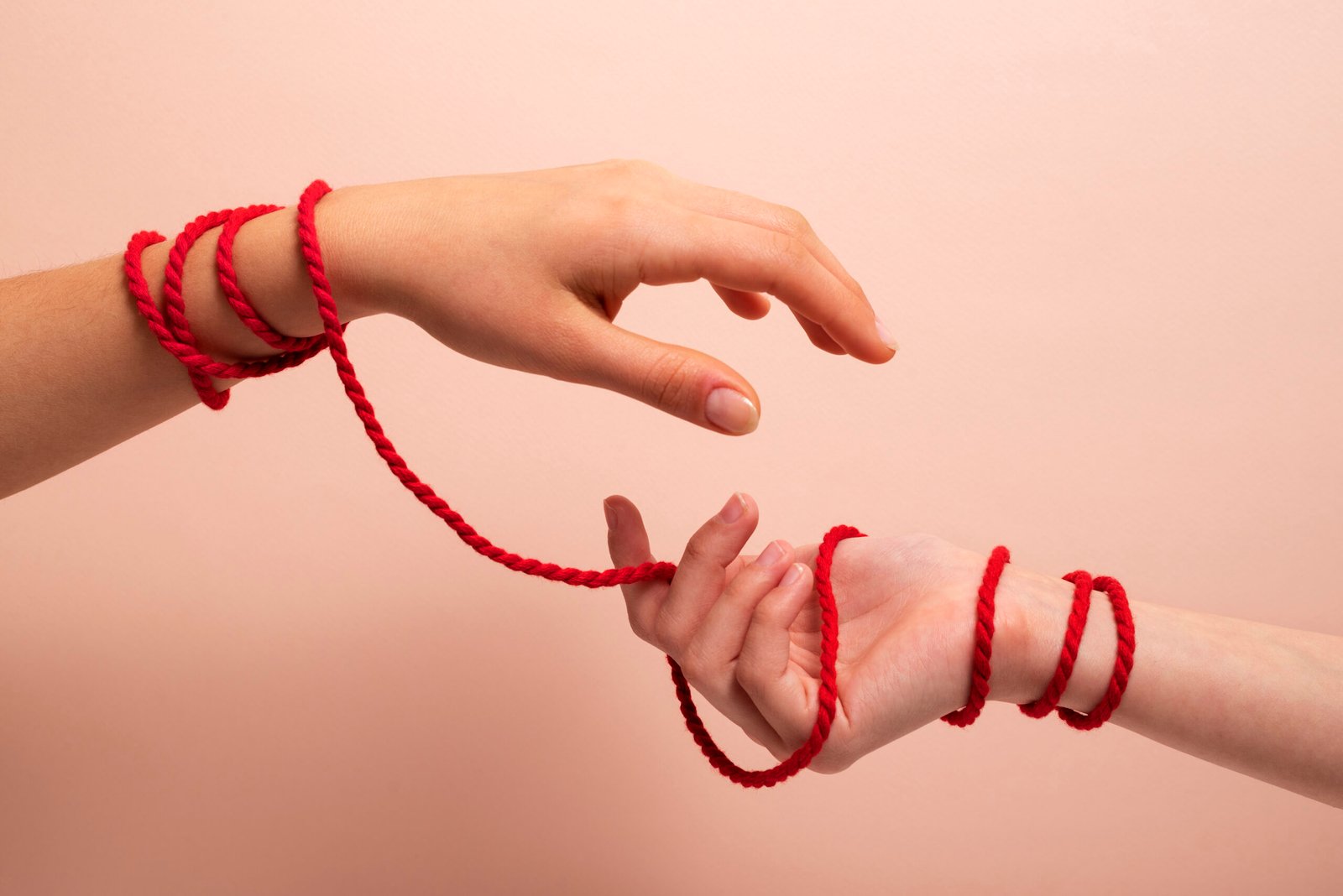

We often think of love as a lightning bolt, something that strikes us by chance and carries us away. But by 2026, the conversation around modern romance has shifted. We are no longer just looking for “The One”; we are looking to understand “The Why.” Why do we panic when a partner doesn’t text back for three hours? Why do we feel suffocated when a relationship starts getting serious? The answer lies in your Attachment Style in Relationships.
Attachment styles in relationships shape how we connect, trust, communicate, and respond to closeness in relationships. They often develop early in life, but they continue to influence our dating choices and emotional patterns well into adulthood.
Think of it as the invisible blueprint for your heart. If you don’t know what’s on your blueprint, you’ll keep building the same unstable structures, wondering why the walls keep cracking.
The good news? Your attachment style is not a life sentence. Once you understand it, you can begin building healthier love. In this guide, we are going to explore the different attachment styles in relationships and explain how you can identify yours to help you build healthier connections in 2026.
Why Attachment Styles Matter in Adult Relationships
Many people think relationship problems are only about choosing the wrong partner. Sometimes that is true. But often, the deeper issue is repeating emotional patterns unconsciously. For example:
- Someone with anxious attachment may chase emotionally unavailable partners.
- Someone with avoidant attachment may leave when things become serious.
- Someone with disorganized attachment may crave love but fear it at the same time.
- Someone with secure attachment tends to communicate openly and maintain healthy boundaries.
Relationship therapist Sue Johnson often emphasized that humans are wired for emotional connection. When that connection feels threatened, our protective behaviors appear. That means your reactions in love are often less about drama and more about emotional survival patterns.
The 4 Attachment Styles in Relationships Explained
1. Secure Attachment: Love Feels Safe
Imagine someone who enjoys closeness without losing themselves. They can communicate needs calmly, trust their partner, and work through conflict without panic. This is secure attachment. Signs of secure attachment include:
- Comfort with intimacy and independence
- Healthy boundaries
- Ability to apologize and repair conflict
- Trust without constant suspicion
- Emotional consistency
- Choosing partners who are available and respectful
Secure people are not perfect. They simply believe love can be safe, stable, and mutual. If you belong in this type, you view intimacy as a safe harbor. You don’t play games, and you don’t feel the need to “test” your partner’s loyalty. You can handle difficult conversations without feeling like the world is ending.
2. Anxious Attachment: Love Feels Uncertain
You send a message. Hours pass. Suddenly, your mind fills with fear. Did I say something wrong? Are they losing interest? Should I text again? Anxious attachment often creates a deep fear of abandonment. People with this style may crave closeness but feel chronically unsure of where they stand. Common signs include:
- Overthinking texts and tone changes
- Needing frequent reassurance
- Fear of rejection
- Feeling emotionally dependent on a partner’s attention
- Difficulty relaxing in relationships
- Staying too long in unhealthy situations
According to many therapists, anxious attachment often develops when love felt inconsistent in early life; sometimes available, sometimes not. If you belong in this category, you have a “super-sensitive” radar for relationship shifts. You are often the one asking, “Are we okay?” Your biggest hurdle is mistaking love bombing for genuine connection because the intensity feels familiar.
3. Avoidant Attachment: Love Feels Restricting
Some people deeply desire connection but become uncomfortable when it gets real. They may enjoy the chase, but once closeness grows, they withdraw. They value independence intensely and may struggle expressing vulnerable emotions. Signs of avoidant attachment include:
- Pulling away when relationships deepen
- Difficulty opening up emotionally
- Feeling smothered by closeness
- Preferring self-reliance over support
- Minimizing relationship problems
- Choosing unavailable partners to stay emotionally safe
Psychologists note that avoidant individuals often learned early that depending on others felt disappointing or unsafe. In this category, you may equate intimacy with a loss of freedom. You might find yourself pushing love away just as things get “too real.” To you, self-reliance isn’t just a trait; it’s a survival mechanism.

4. Disorganized Attachment: Love Feels Confusing
This style often combines anxious and avoidant traits. A person may crave intimacy one day and fear it the next. They may deeply want love but mistrust it when it appears. Signs of this attachment style may include:
- Hot-and-cold relationship behavior
- Fear of abandonment and fear of closeness
- Difficulty trusting healthy partners
- Intense emotional swings in relationships
- Self-sabotaging when things go well
- Feeling unsafe during emotional intimacy
Experts often link disorganized attachment to traumatic, chaotic, or unpredictable early experiences. This is the rarest style. You want love desperately, but you are also terrified of it. It’s like having one foot on the gas and one foot on the brake at all times.
How to Identify Your Attachment Style
Many people assume attachment styles in relationships are easy to spot, but in reality, they often hide beneath everyday relationship habits. You may simply think, This is just how I am, when it is actually a pattern shaped by past experiences, emotional wounds, and learned ways of coping with closeness.
The easiest way to identify your attachment style is to look at how you behave when love feels uncertain. Most people appear calm when everything is going well. Your attachment style usually becomes clearer when there is distance, conflict, mixed signals, vulnerability, or fear of loss.
For example, imagine someone you care about suddenly becomes less responsive. Do you panic and feel the urge to chase reassurance? Do you emotionally shut down and tell yourself you do not need anyone anyway? Do you swing between wanting comfort and pushing them away? Or do you feel concerned but still able to communicate calmly?
Your answers can reveal a lot. Here is an overview.
Notice How You React to Distance
One of the clearest clues is how you respond when someone becomes emotionally or physically distant. People with anxious attachment often feel intense worry when communication changes. A delayed text, canceled plan, or shift in tone can trigger fears of rejection. They may overthink small changes and seek reassurance quickly.
People with avoidant attachment may react differently. Instead of chasing connection, they may detach emotionally, act unbothered, or create even more distance to protect themselves. People with secure attachment usually notice the change but do not immediately assume disaster. They are more likely to communicate directly and ask what is going on.
Observe Your Relationship Patterns
Sometimes the fastest way to identify your attachment style is to review your dating history. Ask yourself:
- Do I keep attracting emotionally unavailable partners?
- Do I lose interest when someone genuinely likes me?
- Do I become obsessed with inconsistent people?
- Do I stay too long in unhealthy relationships?
- Do I confuse intensity with compatibility?
If you repeatedly chase people who give mixed signals, anxious attachment may be involved. If you lose attraction when things become emotionally close, avoidant tendencies may be at play.
Pay Attention During Conflict
Conflict reveals attachment patterns quickly because disagreements can trigger fears around rejection, abandonment, criticism, or loss of control. Someone with anxious attachment may become highly emotional, desperate to resolve the issue immediately, or fearful that one argument means the relationship is ending.
Someone with avoidant attachment may withdraw, shut down, become cold, or refuse to discuss feelings. Someone with secure attachment tends to feel uncomfortable too, but still works toward repair through communication.

Notice What Healthy Love Feels Like to You
This question surprises many people: Does calm love feel attractive or boring? If consistency feels strange, and chaos feels exciting, it may mean your nervous system has become used to unpredictability. Many people mistake emotional rollercoasters for chemistry. Healthy love often feels steady, respectful, and safe. If that feels unfamiliar, it does not mean it is wrong.
Watch Your Inner Dialogue
Your thoughts in relationships often reveal attachment wounds. Examples include:
- “They are going to leave me.”
- “I cannot depend on anyone.”
- “If they really knew me, they would leave.”
- “I need to keep distance to stay safe.”
- “I must keep proving my worth.”
These internal beliefs often drive behavior more than people realize.
You May Not Fit Just One Category
Many people show traits from more than one attachment style. For example, someone may seem avoidant with emotionally available partners but anxious with distant ones. Others become more secure after healing and self-awareness.
Attachment styles in relationships are guides, not boxes. Their purpose is not to label you, but to help you understand what needs healing.
How to Build Healthier Love in 2026
Notice Your Triggers Without Judging Yourself
The first step toward healthier love is awareness. Many people judge themselves harshly for needing reassurance, fearing closeness, or reacting strongly to small things. But criticism rarely creates healing.
Instead, begin noticing patterns with compassion. Maybe silence triggers anxiety because you experienced inconsistency before. Maybe vulnerability feels unsafe because trust was broken in the past. Maybe conflict feels terrifying because arguments once led to emotional pain. When you understand the reason behind your reactions, you gain power over them.
Pause Before Reacting
Attachment wounds often create fast emotional reactions. An anxious person may send multiple messages after one delayed reply. An avoidant person may suddenly disappear after feeling pressured. Healthy love often requires slowing down long enough to choose a wiser response. Before reacting, ask yourself:
- What am I feeling right now?
- What story am I telling myself?
- Do I need reassurance, space, clarity, or calm?
- Is this fear based on the present or the past?
Even a short pause can prevent damage and create emotional maturity.
Learn to Communicate Needs Clearly
Many relationship struggles are not caused by having needs, but by hiding them, expressing them indirectly, or expecting mind-reading. Healthier love grows when people can say what they need honestly and respectfully. Instead of testing someone, withdrawing, or becoming resentful, try statements like:
- “I feel disconnected lately. Can we talk?”
- “I need reassurance sometimes, and I’m working on expressing that better.”
- “I need a little space today, but I still care about us.”
Clear communication builds safety over time.

Choose Consistency Over Intensity
Many people with insecure attachment are drawn to excitement, unpredictability, and emotional highs and lows. But intensity is not always intimacy. Healthier love often looks quieter than toxic love. It may feel less dramatic, but more dependable.
Look for people who are emotionally available, kind, honest, respectful, and steady in their actions. Someone who communicates consistently may be better for your future than someone who keeps you guessing.
Build a Strong Life Outside Romance
Relationships become healthier when they are part of your life, not the center of your identity. When all happiness depends on one person, attachment fears grow stronger. But when you build friendships, goals, hobbies, routines, and self-respect, relationships feel more balanced. A fuller life also makes it easier to leave unhealthy situations because your entire world is not tied to one connection.
Rewire Your Definition of Love
Some people learned that love means anxiety, chasing, unpredictability, or emotional pain. Healing requires learning that love can also mean calm, safety, honesty, and mutual effort. At first, healthy love may feel unfamiliar. You may even mistake stability for lack of passion. Give yourself time to adjust. Often, what feels boring is simply peace.
Celebrate Small Signs of Growth
Healing rarely happens overnight. It often looks like replying calmly instead of panicking, speaking honestly instead of shutting down, or leaving a toxic situation sooner than before. These small changes matter. They are evidence that healthier love is already being built.
Consider Professional Support
Sometimes patterns run deep, especially when trauma, neglect, betrayal, or long-term unhealthy relationships are involved. Therapy can help you understand emotional triggers, rebuild self-worth, and practice secure connection patterns. Seeking support is not weakness. It is one of the strongest steps a person can take.
Final Comments
Your attachment style doesn’t define you; it simply explains you. The moment you become aware of it is the moment you stop repeating old patterns and start creating new ones.In 2026 and beyond, the people building the healthiest love aren’t the ones who never had wounds. They’re the ones who faced them with courage and chose to heal.You’re already taking that step by reading this.
If this resonated with you, I’d love to hear in the comments: Which attachment style do you think you lean toward, and what’s one small thing you’re taking away today?
Let’s Keep Going
If you liked this article, here’s what to read next based on your style:
- Anxious attachment? → Why Do I Keep Attracting the Wrong Partners? (And How to Break the Cycle)
- Dismissive avoidant? → Why You Push Love Away Without Realizing It
- Fearful avoidant? → Love Bombing vs Genuine Interest: 5 Subtle Signs
- Anyone healing: → 50 Questions to Ask a Guy That Reveal His True Intentions (use these after you know your style)