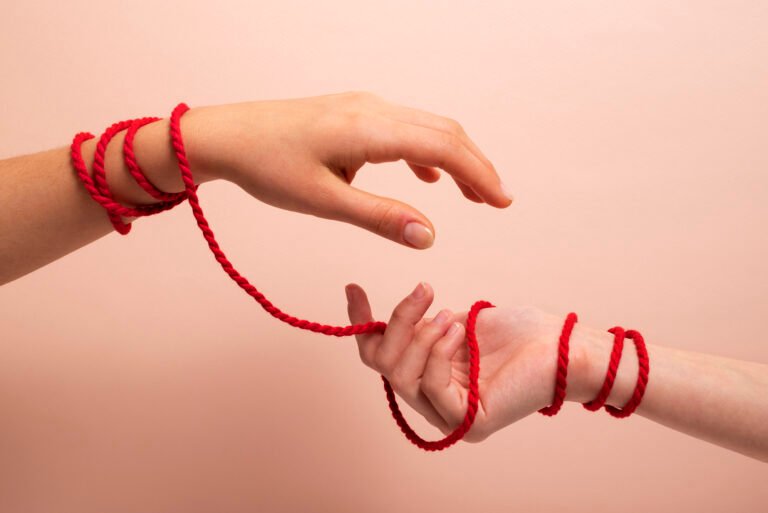


Relationships thrive on emotional connection, trust, and vulnerability. But what happens when the person you’re dating seems distant, avoids meaningful conversations, or pulls away whenever things become serious? You may be dealing with emotional unavailability.
Emotional unavailability is one of the biggest reasons relationships fail. While an emotionally unavailable person may genuinely care about their partner, they often struggle to express emotions, build intimacy, or commit to a deeper connection. This can leave the other person feeling confused, rejected, and emotionally drained.
The good news is that emotional unavailability isn’t always permanent. In this guide, we’ll explain what emotional unavailability really means, explore its common causes, discuss 10 signs someone may not be emotionally ready for a relationship, and share practical advice on what you can do if you’re dating someone who is emotionally unavailable.
What Is Emotional Unavailability?
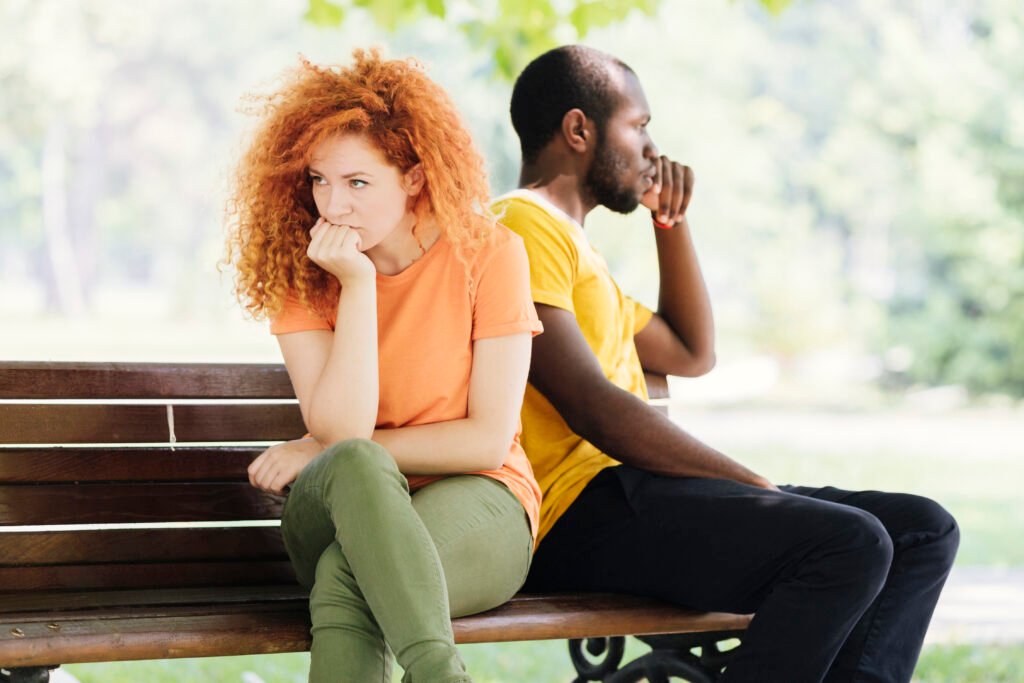
Emotional unavailability refers to a person’s inability or unwillingness to create and maintain emotional intimacy with others. An emotionally unavailable person may struggle to express feelings, avoid vulnerability, or keep others at an emotional distance, even if they want a relationship.
Being emotionally unavailable doesn’t necessarily mean someone is cold or uncaring. In fact, many emotionally unavailable people genuinely want love but have difficulty trusting others or feeling safe enough to open up.
According to psychologists who study adult attachment, including researchers such as Dr. Sue Johnson, the ability to form secure emotional bonds plays a significant role in healthy relationships. Similarly, attachment theory pioneered by John Bowlby suggests that our early relationships with caregivers influence how we connect with romantic partners later in life.
People with avoidant attachment styles, for example, are more likely to appear emotionally unavailable because they have learned to suppress emotional needs and prioritize independence over closeness.
What Causes Emotional Unavailability?
There isn’t one single cause of emotional unavailability. Instead, it’s often the result of multiple experiences that shape how someone views relationships. Some common causes include:
- Childhood emotional neglect
- Past heartbreak or betrayal
- Fear of rejection or abandonment
- Trauma or abuse
- Low self-esteem
- Insecure attachment styles
- Stress, anxiety, or depression
- Difficulty identifying and expressing emotions
Mental health experts note that emotional avoidance often develops as a protective strategy. If someone has experienced significant emotional pain, distancing themselves from others may feel safer than risking another heartbreak.
10 Signs Someone Is Emotionally Unavailable
Recognizing emotional unavailability early can help you make healthier relationship decisions. While no one displays every sign, a consistent pattern may indicate that someone isn’t emotionally ready for a committed relationship.
1. They Avoid Deep Emotional Conversations
One of the clearest signs of emotional unavailability is avoiding meaningful conversations about feelings. Whenever discussions become personal, they may change the topic, make jokes, or offer short, vague responses. They often appear uncomfortable discussing emotions, even after months of dating.
Healthy relationships require emotional openness. If someone consistently refuses to engage in deeper conversations, emotional intimacy becomes difficult to build.
2. They Send Mixed Signals
Emotionally unavailable people often leave you wondering where you stand. One week they’re affectionate and attentive. The next, they become distant without explanation. This inconsistency creates confusion and emotional insecurity.
While everyone has busy periods, a recurring pattern of hot-and-cold behavior often reflects discomfort with closeness rather than genuine uncertainty about scheduling or life circumstances.

3. They Fear Commitment
Not everyone who takes relationships slowly is emotionally unavailable. However, someone who repeatedly avoids commitment despite months or years together may not be emotionally ready.
They may avoid labels, resist making future plans, or become uncomfortable whenever the relationship starts becoming more serious. Their actions often communicate, “I enjoy your company, but I don’t want to fully invest emotionally.”
4. They Rarely Talk About Their Feelings
Ask them how they’re feeling, and you may receive answers like:
- “I’m fine.”
- “Don’t worry about it.”
- “It’s nothing.”
Rather than sharing emotional experiences, they keep everything internal. Over time, this emotional distance can leave their partner feeling disconnected because vulnerability is essential for building trust and intimacy.
5. They Keep You at Arm’s Length
Emotionally unavailable people often create invisible barriers that prevent true closeness. These barriers might include:
- Keeping separate lives
- Avoiding introducing you to family or close friends
- Limiting how much you know about them
- Avoiding conversations about the future
They may enjoy spending time together while carefully protecting parts of their life from emotional involvement.
6. They Struggle to Show Empathy
Empathy is the ability to understand and respond to another person’s emotions. Someone who is emotionally unavailable may dismiss your feelings instead of validating them. For example, instead of saying, “I understand why you’re upset,” they might say:
- “You’re overreacting.”
- “Just get over it.”
- “You’re too sensitive.”
Relationship experts consistently emphasize that emotional validation is one of the strongest predictors of long-term relationship satisfaction.
7. They Become Distant After Moments of Closeness
You enjoy an amazing weekend together. You have meaningful conversations and feel emotionally connected. Then suddenly they disappear emotionally. This pattern is common among emotionally unavailable individuals. Increased intimacy can trigger discomfort, causing them to withdraw to regain emotional distance.
Psychologists sometimes describe this as a “push-pull” dynamic that frequently appears in relationships involving avoidant attachment styles.
8. They Prioritize Independence Over Partnership
Healthy independence is important. However, emotionally unavailable people often take independence to an extreme. They may resist compromise, avoid relying on others, and insist on handling every challenge alone. While self-sufficiency is admirable, healthy relationships require mutual support and emotional interdependence, not complete emotional isolation.
9. They Avoid Resolving Conflict
Conflict is inevitable in every relationship. Emotionally available partners work through disagreements by communicating openly and seeking solutions. Emotionally unavailable individuals, however, often avoid conflict entirely. They may shut down, leave conversations unfinished, ignore messages, or pretend nothing happened. Unfortunately, unresolved conflicts tend to grow into larger relationship problems over time.

10. You Feel Lonely Even When You’re Together
Perhaps the biggest sign of emotional unavailability isn’t their behavior, it’s how the relationship makes you feel. Many partners describe feeling emotionally lonely despite spending plenty of time together.
You may constantly crave a deeper connection that never seems to develop. If you’re consistently feeling unseen, unheard, or emotionally disconnected, your relationship may lack the emotional intimacy necessary for long-term happiness.
Can Emotionally Unavailable People Change?
Yes, but only if they recognize the problem and genuinely want to change. Emotional availability isn’t a fixed personality trait. It’s a set of emotional skills that can improve through self-awareness, intentional effort, and sometimes therapy.
Experts often recommend approaches such as:
- Individual therapy
- Couples counseling
- Learning emotional regulation skills
- Developing healthier communication habits
- Understanding attachment styles
It’s important to remember that you cannot force someone to become emotionally available. Change has to come from their own willingness to examine their emotional patterns and consistently work on them.
What Should You Do If You’re Dating an Emotionally Unavailable Person?
If you believe your partner is emotionally unavailable, avoid jumping to conclusions based on one or two behaviors. Instead, look for consistent patterns over time. Here are several healthy approaches:
Communicate Your Needs Clearly
Explain how their behavior affects you using calm, non-accusatory language. Instead of saying, “You never care about me.” try, “I feel disconnected when we don’t talk about how we’re feeling.” This encourages dialogue rather than defensiveness.
Set Healthy Boundaries
Healthy relationships require mutual emotional effort. If your needs for communication, affection, or commitment are consistently ignored, it’s okay to establish boundaries that protect your emotional well-being.
Don’t Try to “Fix” Them
It’s natural to want to help someone you love. However, emotional healing is ultimately their responsibility. Supporting someone is healthy. Trying to rescue or change them usually leads to frustration and emotional exhaustion.
Pay Attention to Actions
Promises are important, but lasting change is reflected in consistent behavior. If someone repeatedly says they’ll change without making meaningful progress, consider whether the relationship is meeting your emotional needs.
Final Thoughts
Emotional unavailability can make relationships feel confusing, lonely, and emotionally exhausting. While everyone has moments of emotional withdrawal, consistently avoiding vulnerability, intimacy, and meaningful connection may indicate that someone isn’t emotionally ready for a healthy relationship.
The encouraging news is that emotional availability can be developed. With self-awareness, personal growth, and sometimes professional support, many people learn to communicate more openly, trust more deeply, and build stronger relationships.
If you’re currently questioning whether your partner is emotionally unavailable, remember that your emotional needs matter too. A healthy relationship should leave you feeling valued, understood, and emotionally safe, not constantly wondering where you stand.
Recognizing the signs of emotional unavailability is often the first step toward making relationship choices that support your long-term happiness and emotional well-being.
Click to See Frequently Asked Questions About Emotional Unavailability
No. A person can genuinely love their partner while still struggling to express emotions or build intimacy. Emotional availability refers to the ability to create emotional closeness, not simply the presence of romantic feelings.
Yes. With self-awareness, honest communication, and a willingness to grow, emotionally unavailable individuals can develop healthier relationship habits over time.
No. Emotional unavailability is not considered a mental health disorder. However, it may be influenced by factors such as trauma, anxiety, depression, or insecure attachment patterns.
Yes. Many therapists help clients explore attachment styles, emotional regulation, communication skills, and past experiences that contribute to emotional avoidance.